Shipping food to Europe? Decoding an IPPC stamp? Comparing static and dynamic loads? Start with your question, then find the requirements that matter for your goods, route and handling.
Try a question
Start with the questions that matter
174 researched answers
Choose a topic, or describe what you are shipping, where it is going and how it will be handled.
Start with the food category, destination and point of entry: cargo certificates and approvals depend on the product. Separately check pallet hygiene acceptance, capacity and wood-packaging compliance. For relevant SPS goods enter
Look for the IPPC symbol, two-letter country code, authorised producer/treatment-provider identifier and treatment abbreviation. These identify the approved marking system; they are not a load rating.
There is no universal pallet capacity. Use the rating for the exact design, condition, load arrangement and support method. The same footprint does not establish the same strength.
Prices depend on the actual specification, quantity, condition and delivery. Compare a current quotation for the same job rather than treating every wooden pallet as interchangeable. Used wooden pallets are worth exploring where t
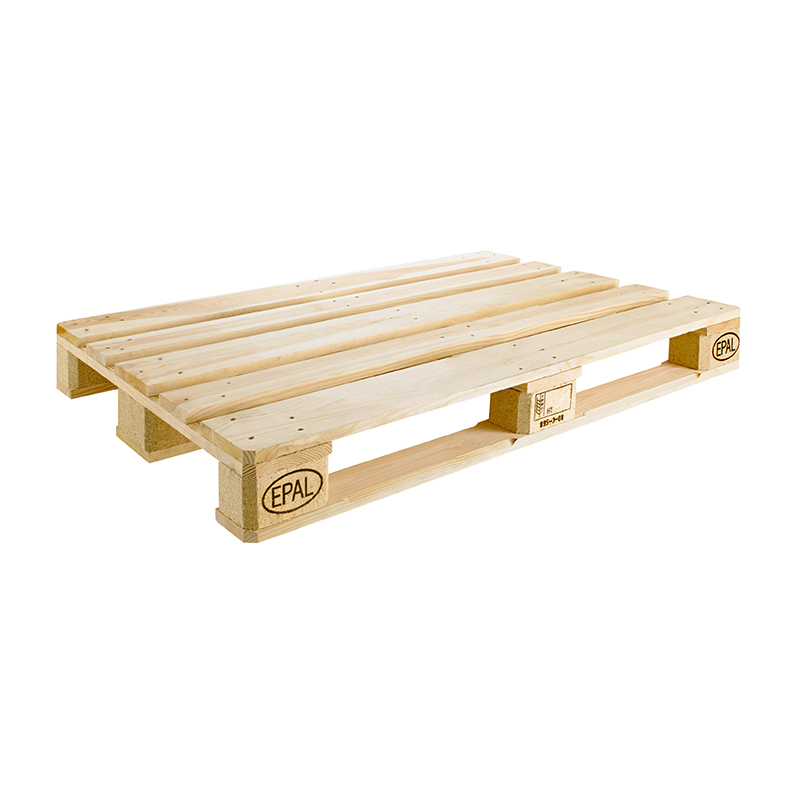
Pallet weight and height depend on the exact construction. An EPAL 1 Euro pallet is specified at 144 mm high and approximately 25 kg; those figures do not apply to every pallet measuring 1200 × 800 mm.
Start with the usable internal dimensions of the booked vehicle or container and the loaded pallet footprint. Space is only one constraint: payload, axle loading, access, restraint and the receiver’s unloading arrangements also li
Published guidance explains the checks to make. It does not certify a particular pallet, load or shipment. Each answer links to its sources; specialist jobs may require the receiving site’s specification or a qualified adviser.
Not sure which questions apply?
Build a checklist for your goods, destination and handling, then explore pallet types.
START WITH YOUR SHIPMENT
What do I need to check?
Tell us about the goods, journey and handling. We’ll build a practical checklist and link to the relevant explanations. This is a starting point for confirming requirements with your supplier, receiver and relevant specialist.
⌕
Popular searches
Loading catalogue…
START WITH THE JOB
What will your pallet need to do?
These suggestions help you shortlist a type. Final suitability depends on the exact pallet, load and handling.
Start with your application
For example, pressed wood can save space on a one-way shipment. A reusable plastic pallet may suit a washdown or return loop. A metal design can address a specialist load or environment.
Size alone doesn’t tell you whether a pallet is right for the job.
WHY THIS PALLET?
A field guide to pallet types
Explore the problem each type solves, its limitations and the questions to ask before choosing it.
This first catalogue follows the published Pallets Direct range, checked on 3 October 2026. Specialist additions are being reviewed separately. Specifications are separated from current stock and supply.
Compare pallet types and sizes
Used wooden pallets are a practical starting point for everyday storage and distribution when their condition and construction meet your receiving site’s requirements. Compare used wooden pallets first, then check your goods, equipment and handling.
Plastic pallets can suit repeated use or cleaning requirements; presswood pallets offer nestable designs; metal pallets address specialist environments and loads. Compare the exact design before choosing. Load ratings depend on how the pallet is supported: a floor rating cannot be used as a rack rating.
NOT SURE WHERE TO START?
Your pallet questions, answered
Learn which pallet suits your goods, what sizes are available and what to check before buying.
 PART OF THE PALLETMOVE GROUPBuy Pallets Direct